In the course “Dynamics of Individual Differences“, students write a blog post on a topic of their interest that is related to an aspect that differs between individuals and changes across the lifespan. Janne van Schijndel shared her blog post with us, enjoy the read!
Does your teenager all of a sudden spend the whole day in their bedroom listening to heavy metal, gangsta rap, goth, or other types of music that parents sometimes find unsettling? Or maybe they are frequently attending concerts with friends, dressing and maybe even behaving differently, and talking about music as if it is their whole life?
Many parents encounter a moment when music starts to play a more prominent role in their child’s life. Research consistently shows that music listening is a substantial part of adolescence (Delsing et al., 2008, Miranda & Claes, 2008, Selfhout et al., 2009). In research on adolescent development, most teenagers report listening to music daily, and across a wide range of genres (Ilić et al., 2024). But there are individual differences. Some adolescents dive deeper and longer into music than others, and some choose to listen to rebellious types of music, where others choose more easy-going genres.
Maybe your child is one of those that listen to music endlessly and in addition chooses the more rebellious genres. Then you may wonder if this musical obsession is changing your child. Does it affect their mood, their behavior, their values, maybe even their personality?
And yes, adolescence is a period of rapid emotional, social and psychological change, so having these concerns is understandable. This blog explores how music – according to research – influences adolescent development, particularly regarding personality, identity and well-being.
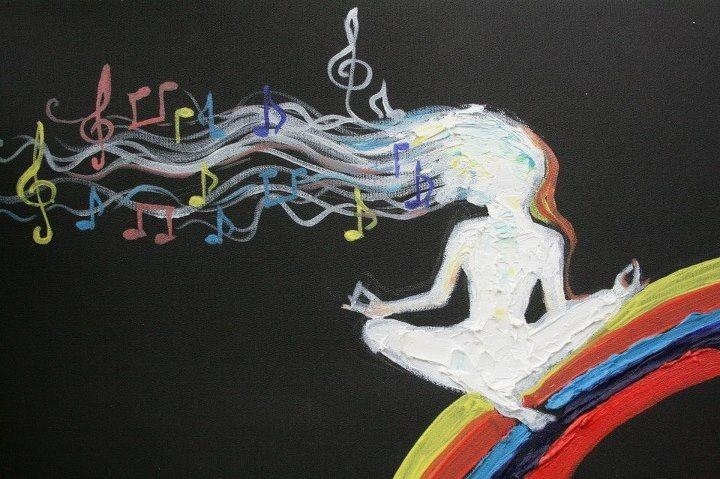
What music does not do
First, some reassurance.
Music does not directly change a young person’s personality traits or behavioral inclinations (Corrigall et al., 2013; Delsing et al., 2008; Lesiuk, 2018; Miranda & Claes, 2008). Listening to heavy metal does not make adolescents aggressive, rap does not cause criminal behavior. Goth music does not make teenagers depressed, and classical music does not make someone intelligent or disciplined. Traits like extraversion, conscientiousness and emotional stability develop gradually, influenced by genes, temperament, relationships and a person’s environment. Even very intense music preferences and habits do not directly affect this development.
Similarly, music does not cause or cure depression. However, young people who feel low may choose to listen to certain types of music that reflect or even reinforce these feelings, which is why these kinds of feelings and music often go together.
How music does matter
So, if music does not directly influence your child’s personality and identity, why then, is it such an important topic and pastime for them and what effects does it have on their development?
Research suggests that there are indirect links between music preferences and personality and identity development. These effects on personality and identity arise through friendships, emotion regulation, and identity exploration. Aspects that are known to be extremely important in adolescence, and music can be intertwined with them.
Music and friendships
Exploring new friendships is increasingly important during adolescence, as young people try to find others with whom they feel understood and accepted. Research shows that adolescents often prefer social circles with friends that share the same music preferences (Miranda, 2013; Selfhout et al., 2009). This often provides mutual feelings of connection and belonging. A link between music, personality and identity lies within these friendships and can be explained by a psychological theory called Social Identity Theory by Tajfel and Turner (Brown, 2000; Selfhout et al., 2009). According to this concept, people build their social identity partially on the groups they belong to. Subsequently, as they want to be accepted and to feel that they are part of the group, adolescents may adopt the habits and behaviors that are common in the group. So, the changes in behavior and personality in your teenager that may be visible over time arise from the social contexts they select, and any wish or pressure they feel to adapt to fit in. It is not a result of the kinds of music they choose to listen to.
Music and emotion regulation
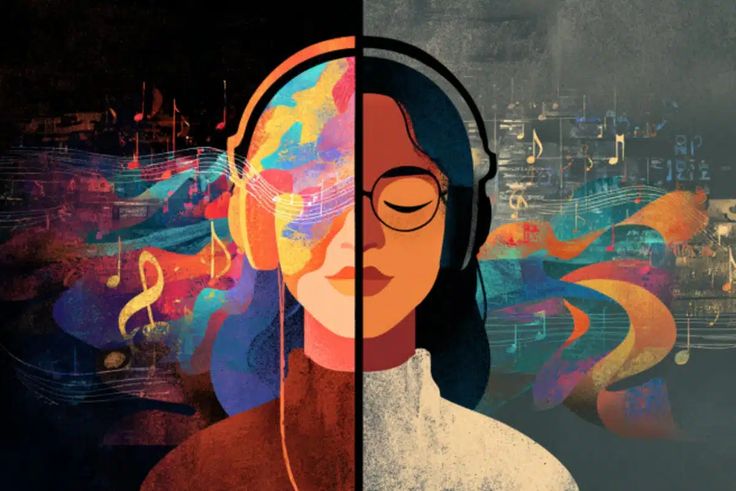
A second important development during the teenage years is that of emotion regulation, and this development can also be guided by music. Adolescents are faced with heightened emotional responses that rapidly arise and may feel hard to manage. Teenagers often use music as a tool to regulate these possibly disturbing feelings (Loureiro et al., 2024; Miranda & Claes, 2008; Miranda, 2013). They may choose to listen to music that calms them down, energizes them, or helps them understand their feelings. This usually is a healthy way for adolescents to learn to regulate their emotions. Sometimes music is even incorporated into therapeutic settings, to help adolescents deal with or to prevent anxiety or depression (Miranda, 2013; Rossi, 2024). Obviously, in emotion regulation, whether it is self-initiated or therapeutic, listening to music is not intended to change personality, but used to support expression of emotions and coping.
Music and identity
During puberty and adolescence, music may also play an important role in your child’s exploration of who they are (Delsing et al., 2008; Miranda, 2013). During this period, adolescents usually see more and more clearly who they really are. In relation to this, the field of personality and identity psychology uses the notion of self-concept clarity, referring to the degree to which someone has a crystallized, consistent and clear picture of who they are (Becht et al., 2017; Van Dijk et al., 2013).
Musical preferences fluctuate through life, and interestingly, during adolescence the fluctuation of these musical preferences may indicate to what extent a teenager’s self-concept clarity has been developed (MacDonald & Saarikallio, 2022). When self-concept is not so clear, adolescents may experiment with different genres and accompanying mood induced by music. As self-concept clarity becomes more crystallized and consistent, music preferences often also become more stabilized.
For most teenagers, music is an important but accompanying feature of their adolescence to help them explore their identity. For a smaller group however, music becomes central to identity development as they may even choose to pursue a music related career. Research on music students shows that those who choose music-related careers are more likely to have personalities characterized by intuition and feeling, traits associated with emotional sensitivity and value-oriented thinking (Lesiuk, 2018). These traits partly characterize these adolescents before they choose their careers, so their choice does not influence their personalities. But once they have chosen their career, music will become an even bigger part of their life and their identity.
Music and narrative identity
Lastly, music also plays a role in how people see their past and imagine their future. People construct a so called narrative identity (McAdams & McLean, 2013), an evolving story that describes where they come from, how they have changed, and where they envision they are going in the future. These life stories are often built around meaningful and self-defining moments, which creates coherence in the life story and in the identity of a person across the lifespan.
For many people, music is closely linked to memories and emotions, and that is why songs often have personal meaning. Specific pieces of music are often associated with important people and moments in our lives, such as friendships, major life events, or specific emotional periods. Music may remind us of certain people and moments, but it can also help structure the narrative identity.
But besides individual narrative identity, music can also influence social narrative identity (Van Poecke, 2017). For example, in Indie-Folk communities, members listen to a specific kind of music in which collective storytelling is embedded. This music describes shared values and life philosophies, and contributes to understanding and coping with oneself and life’s challenges. In this way, listening to Indie-Folk helps to develop personal and shared narratives.
Conclusion
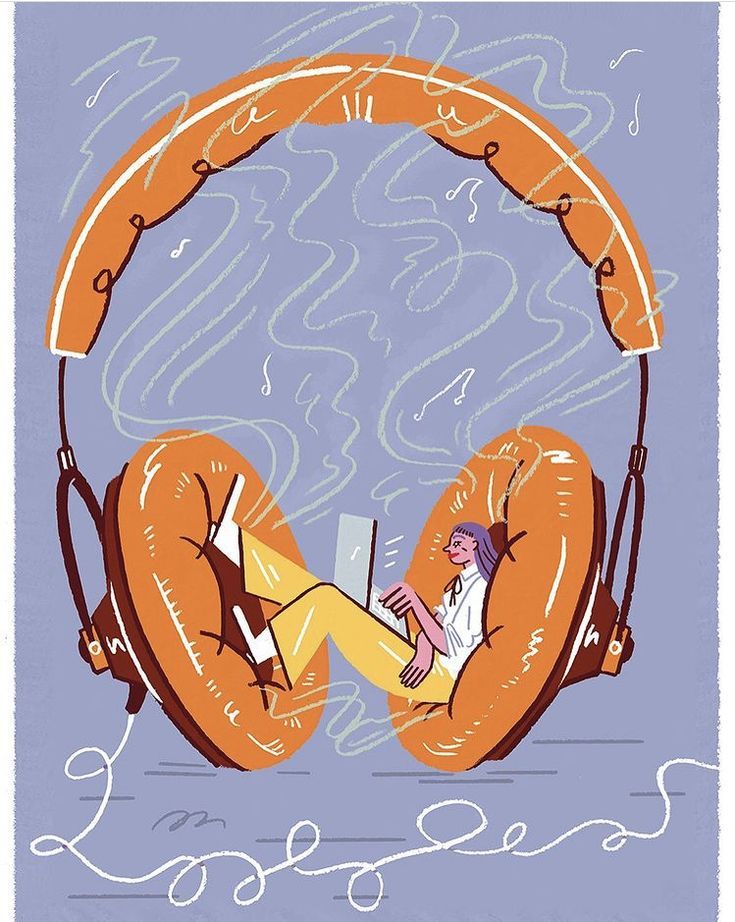
In sum, research paints a clear picture: music does not directly shape personality traits. But it does have an indirect influence through social environments, emotion regulation, and identity exploration, all of which may have a subtle effect on one’s personality traits and identity development.
This can of course still be a cause of concern to some parents. Some music choices and also any new behaviors your child displays can feel unsettling or concerning. In most cases, these preferences simply reflect your child’s exploration of their personality and identity. A way of finding out who they are, where they belong, and how they can cope.
Sometimes, when your child enters adolescence, it becomes harder to keep the conversation going and to stay connected with them. Key to understanding new behaviors and to staying connected, is open communication with your teenager. These new directions in music could turn out to be a very good starting point to talk with them about their emerging interests. Ask them what their music means to them, how the music makes them feel, and who they listen with. This may give you valuable insights into the new worlds your child is exploring, musically and socially, and into who they are becoming.
Author: Janne van Schijndel
References
Becht, A. I., Nelemans, S. A., Van Dijk, M. P. A., Branje, S. J. T., Van Lier, P. a. C., Denissen, J. J. A., & Meeus, W. H. J. (2017). Clear Self, Better Relationships: Adolescents’ Self‐Concept clarity and relationship quality with parents and peers across 5 years. Child Development, 88(6), 1823–1833. https://doi.org/10.1111/cdev.12921
Brown, R. (2000). Social identity theory: past achievements, current problems and future challenges. European Journal of Social Psychology, 30(6), 745–778. https://doi.org/10.1002/1099-0992(200011/12)30:6<745::AID-EJSP24>3.0.CO;2-O
Corrigall, K. A., Schellenberg, E. G., & Misura, N. M. (2013). Music training, cognition, and personality. Frontiers in Psychology, 4, 222. https://doi.org/10.3389/fpsyg.2013.00222
Delsing, M. J. M. H., Ter Bogt, T. F. M., Engels, R. C. M. E., & Meeus, W. H. J. (2008). Adolescents’ music preferences and personality characteristics. European Journal of Personality, 22(2), 109–130. https://doi.org/10.1002/per.665
Ilić, I. S., Krnjaić, Z., Videnović, M., & Krstić, K. (2024). How do adolescents engage with music in spare time? Leisure patterns and their relation with socio-demographic characteristics, well-being, and risk behaviors. Psychology of Music, 53(3), 474–491. https://doi.org/10.1177/03057356241254458
Lesiuk, T. (2018). Personality and music major. Psychology of Music, 47(3), 309–324. https://doi.org/10.1177/0305735618761802
Loureiro, C., Van Der Meulen, K., & Del Barrio, C. (2024). Why I listen to music: Emotion regulation and identity construction through music in mid-adolescence. Empiria Revista De Metodología De Ciencias Sociales, 60, 145–168. https://doi.org/10.5944/empiria.60.2024.39285
MacDonald, R., & Saarikallio, S. (2022). Musical identities in action: Embodied, situated, and dynamic. Musicae Scientiae, 26(4), 729–745. https://doi.org/10.1177/10298649221108305
McAdams, D. P., & McLean, K. C. (2013). Narrative Identity. Current Directions in Psychological Science, 22(3), 233-238. https://doi.org/10.1177/0963721413475622
Miranda, D. (2013). The role of music in adolescent development: much more than the same old song. International Journal of Adolescence and Youth, 18(1), 5–22. https://doi.org/10.1080/02673843.2011.650182
Miranda, D., & Claes, M. (2008). Personality traits, music preferences and depression in adolescence. International Journal of Adolescence and Youth, 14(3), 277–298. https://doi.org/10.1080/02673843.2008.9748008
Rossi, C., Oasi, O., & Colombo, B. (2024). Personality characteristics, music listening, and psychological well-being: a systematic and scoping review. Research in Psychotherapy: Psychopathology, Process and Outcome, 27(742). https://doi.org/10.4081/ripppo.2024.742
Selfhout, M. H., Branje, S. J., Ter Bogt, T. F., & Meeus, W. H. (2009). The role of music preferences in early adolescents’ friendship formation and stability. Journal of Adolescence, 32(1), 95–107. https://doi.org/10.1016/j.adolescence.2007.11.004
Van Dijk, M. P. A., Branje, S., Keijsers, L., Hawk, S. T., Hale, W. W., & Meeus, W. (2013). Self-Concept clarity across adolescence: longitudinal associations with open communication with parents and internalizing symptoms. Journal of Youth and Adolescence, 43(11), 1861–1876. https://doi.org/10.1007/s10964-013-0055-x
Van Poecke, N. (2017). “What might have Been Lost”: the formation of narrative identity among the Dutch indie-folk audience. Popular Music & Society, 41(4), 440–461. https://doi.org/10.1080/03007766.2017.1353876
Curious to learn more about what our students work on? Take a look at our other blog posts here.
Be First to Comment