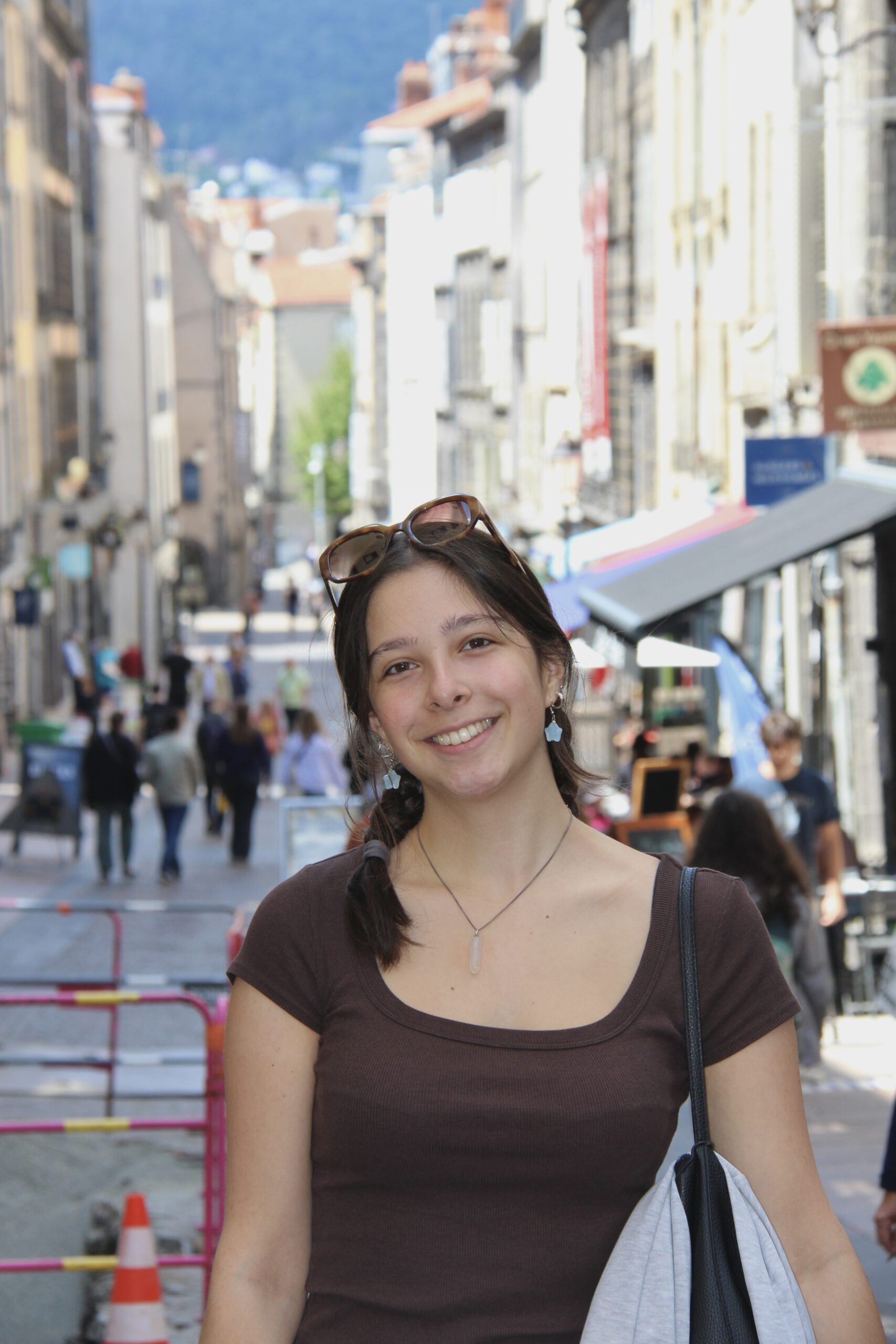
Mila is 20 years old and from France
She did her BSc in Psychology at Tilburg University with a major in Forensic Psychology and a minor in Clinical/Medical Psychology
Her main interests are: forensic psychology, psychopathology and personality disorders
You can reach out to her on LinkedIn
What inspired you to pursue the IDA Master program?
During my Bachelor in Psychology, I really enjoyed learning about psychology but didn’t see myself pursuing a clinical career. IDA really spoke to me because it allows students to develop a solid knowledge basis about individual differences, while also learning to do research in an applied way, that is tailored to our interests, through the traineeships.
Which field do you see yourself pursuing after completing the program?
I would like to stay in research, and probably pursue a PhD. Maybe after a few years (or decades) I’ll go towards academia but for now I want to focus on research.
Looking at the program schedule, which course(s) are you most excited about and why?
So far, I enjoyed the course Biological Correlates of Individual Differences a lot. I mostly am excited about the traineeships and diving into the topics that interest me the most.
Do you ever feel stressed or under pressure in your studies? How do you manage those challenges? Any tips to share?
Of course, I especially feel a lot of time pressure, as the first semester presents us with a lot of new information that we need to process and learn in a short amount of time. Keeping a to-do list of everything I need to do also helps a lot, I like to always have a global view of the tasks I need to complete. I aim to never study in the evenings (after diner) and instead use that time to relax and get good sleep.
What motivates you to keep going when things get tough?
The fact that IDA will prepare me for a career in research. I may face hardships while doing this program, experience stress and pressure, and lose some sleep over some assignments, but I know it will prepare me both academically and personally. Academically, of course, we learn from all the courses we take part in. Personally, we have to learn to work autonomously, to juggle multiple deadlines at the same time, to set time limits for ourselves for studying and to balance studying and free time. The last part is definitely the hardest, but I know that going through this and learning to balance everything on my own will be important for my future.
What do you enjoy most about collaborating with your peers, supervisors, or being part of the IDA community?
We all share a passion for research, but we each have specific and different topics of interest, which makes for interesting conversations and a great opportunity to broaden our horizons to many more possibilities and research topics.
How would you describe an “IDA student”? What common qualities do they share, and who do you think is best suited for this program?
Curious and motivated, willing to learn. The start of this master program is quite demanding in the amount of time and effort you need to put into studying, so being motivated or disciplined and able to put in this effort is necessary.
Is there anything you wish you had known before starting that would have made your journey smoother, and what advice (or tip) would you give to someone just beginning the program?
The start of the year is a bit rough because it’s a lot, and because it’s a very different structure from what I was used to before (from the Psychology Bachelor at Tilburg University): mandatory classes, assignments, presentations. There were a lot of things outside my comfort zone at first but I always tell myself that discomfort leads to growth. Also, teachers are very approachable, and if you struggle with anything in a class or there are things you don’t understand you can always go up to the teacher and ask them about it!
Be First to Comment